
If your baby wakes every hour, you are probably running on very little sleep and asking yourself the same question every night: why is this happening? Frequent waking can feel exhausting, especially when you have already tried feeding, rocking, changing diapers, and adjusting bedtime. Many parents worry that something is wrong when their baby wakes every hour at night, but in many cases, this is a common sleep challenge with clear reasons behind it.
At TheBabyFinds, we know how stressful baby waking every hour overnight can feel for parents. The cause may be different for every baby. Sometimes it is overtiredness, sometimes hunger, and sometimes a sleep regression or a strong sleep association. This guide will help you understand why does my baby wake every hour, what is normal by age, and what small changes can improve sleep for both you and your baby.
Is It Normal If Your Baby Wakes Every Hour?

Many parents panic when their baby wakes every hour, especially if sleep was getting better before. The first thing to know is this: frequent waking can be normal in some stages, but it depends on your baby’s age, feeding needs, and overall sleep pattern.
Not every baby who wakes often has a sleep problem. Sometimes it is simply part of normal development.
What Is Normal Sleep by Age
Sleep changes fast in the first year. A newborn wakes every hour much more often than an older baby, and that can be completely expected.
Newborn Sleep Patterns
Newborns have very short sleep cycles and tiny stomachs. They wake often because they need frequent feeding, comfort, and diaper changes.
It is common for a newborn wakes every hour pattern to happen during the first weeks, especially during growth spurts.
At this stage:
- feeding every 2 to 3 hours is normal
- day and night confusion is common
- longer stretches of sleep are rare
This does not usually mean something is wrong.
3 to 4 Month Changes
Around 3 to 4 months, sleep starts changing again. This is when many parents suddenly notice their baby waking more, even after a better phase.
A 4 month old wakes every hour often because sleep cycles become more mature. Babies move through lighter and deeper sleep more like adults, and they notice more when conditions change.
For example:
- baby falls asleep while feeding
- wakes between sleep cycles
- needs feeding again to return to sleep
This is one reason the 4 month sleep regression feels so intense.
6 Month Sleep Expectations
By 6 months, many babies begin sleeping longer stretches, but not all babies do.
A 6 month old wakes every hour may be dealing with:
- nap transitions
- teething
- rolling or sitting practice
- overtiredness
- feeding habits
Some babies still need one night feed. Others wake from habit more than hunger.
This is why context matters more than age alone.
Older Baby or Toddler Sleep
Older babies and toddlers may wake often because of separation anxiety, developmental leaps, molars, or routine changes.
At this stage, frequent waking is less about feeding and more about habits and comfort.
When Hourly Waking Is Temporary
Sometimes baby waking every hour is short-term and improves on its own.
Common temporary causes include:
- growth spurts
- teething
- illness
- travel
- sleep regression
- vaccinations
- changes in routine
These periods are frustrating, but they usually pass with consistency.
When It May Need More Attention
Some situations need more than schedule changes.
Pay closer attention if:
- hourly waking lasts for weeks without improvement
- baby seems uncomfortable every time they wake
- feeding becomes difficult
- weight gain slows down
- baby shows breathing concerns
- sleep is getting worse, not better
At TheBabyFinds, we always recommend watching the full picture, not just the number of wake-ups. A tired week is common. A long-term pattern may need a deeper look.
Common Reasons Your Baby Wakes Every Hour

If your baby wakes every hour at night, the reason is usually not random. Sleep problems often come from one main root cause, and once you find it, sleep becomes much easier to improve.
Many parents first assume hunger is the reason, but very often the cause is actually overtiredness, sleep associations, or schedule imbalance.
Understanding the “why” is the first step to fixing frequent night waking baby patterns.
Overtiredness
This is one of the biggest reasons babies wake often.
When a baby stays awake too long, the body releases stress hormones. This makes it harder to fall asleep and harder to stay asleep.
Signs of overtiredness:
- short naps
- crying before sleep
- waking 30 to 45 minutes after bedtime
- false starts at night
- frequent waking every 1 to 2 hours
Parents often think keeping baby awake longer will help sleep better. Usually, it does the opposite.
Undertiredness
Sometimes baby is not tired enough.
If naps happen too late or wake windows are too short, baby may not have enough sleep pressure for deep overnight sleep.
Signs of undertiredness:
- playing instead of sleeping
- taking a long time to fall asleep
- short happy naps
- bedtime resistance
Both overtiredness and undertiredness can look similar, which is why wake windows matter so much.
Hunger or Feeding Needs
Yes, hunger can cause baby waking every hour overnight, especially for younger babies.
This is more common when:
- daytime feeding is poor
- baby is going through a growth spurt
- milk intake dropped after starting solids
- baby is still very young
But not every wake-up means hunger. Sometimes feeding becomes the easiest sleep tool, even when baby is not truly hungry.
Sleep Associations
This is one of the most common reasons parents ask, why does my baby wake every hour?
A sleep association means baby depends on something specific to fall asleep.
Common examples:
- feeding to sleep
- rocking to sleep
- being held for naps
- contact sleep
- pacifier replacement
When baby wakes between sleep cycles, they look for the same help again.
This creates repeated waking all night.
Sleep Regression
Sleep regressions often make parents feel like all progress disappeared overnight.
This happens during:
- 4 months
- 6 months
- 8 to 10 months
Regressions are often linked to brain development, movement skills, and changing sleep patterns.
They are real, but they are temporary.
Teething
Teething can increase waking, but it usually causes short-term disruption, not weeks of hourly waking by itself.
If your baby suddenly starts waking more and also shows:
- drooling
- chewing
- swollen gums
- daytime fussiness
teething may be part of the reason.
Illness, Reflux, or Discomfort
Sometimes sleep is difficult because baby is uncomfortable.
This may include:
- reflux
- congestion
- ear infections
- eczema itching
- gas discomfort
If sleep suddenly becomes much worse and baby seems upset lying down, physical discomfort should be considered.
Rolling, Crawling, and Developmental Milestones
Many babies practice new skills at night.
Rolling, crawling, pulling up, and standing often interrupt sleep for a short period.
It feels frustrating, but it usually improves once the skill becomes familiar.
Room Environment Problems
Simple sleep environment issues can also cause baby wakes every hour patterns.
Check for:
- room too bright
- room too hot or too cold
- sudden household noise
- uncomfortable pajamas
- leaking diaper
- early morning sunlight
Sometimes the fix is much simpler than parents expect.
At TheBabyFinds, we always suggest starting with the basics first. Before changing everything, check schedule, feeding, and sleep space. Small changes often solve big sleep problems.
Baby Wakes Every Hour by Age

The reason your baby wakes every hour often depends on age. What is normal for a newborn is very different from what is expected for a 6 month old or an older baby.
This is why sleep advice should never be one-size-fits-all.
Understanding age-specific sleep patterns helps parents make better decisions and avoid unnecessary stress.
Newborn Wakes Every Hour
A newborn wakes every hour much more often than parents expect, and in many cases, this is normal.
Newborns have:
- very small stomachs
- short sleep cycles
- frequent feeding needs
- day and night confusion
Many newborns wake every 1 to 3 hours for feeding, especially during the first 8 weeks.
This does not usually mean bad sleep habits. It is normal biology.
Focus on:
- full daytime feeds
- safe sleep
- realistic expectations
- parent rest whenever possible
Newborn sleep improves slowly, not overnight.
4 Month Old Wakes Every Hour
When a 4 month old wakes every hour, many parents feel confused because sleep may have been getting better before. Then suddenly, naps get shorter, bedtime becomes harder, and night waking increases again.
This often happens because of the 4 month sleep regression.
At this stage, your baby’s sleep cycles become more mature. Instead of sleeping like a newborn, your baby starts moving through lighter and deeper sleep more like an adult. This means your baby notices more when they wake between sleep cycles.
If your baby falls asleep while feeding, rocking, or being held, they may expect the same help every time they partially wake.
This creates the classic pattern of baby wakes every hour at night.
Common reasons a 4 month old wakes every hour:
- short daytime naps
- overtiredness
- feeding to sleep
- sleep regression
- changing wake windows
- stronger awareness of surroundings
Helpful first steps:
- review wake windows carefully
- keep bedtime earlier, not later
- create a simple bedtime routine
- support fuller daytime feeds
- avoid overstimulation before sleep
This phase feels hard, but it usually improves with consistency and time.
If your baby recently moved into a more structured routine, our 4 Month Sleep Schedule guide can help you build a stronger foundation for better nights.
6 Month Old Wakes Every Hour
A 6 month old wakes every hour for different reasons than a newborn or a 4 month old. At this age, many babies are capable of longer stretches of sleep, so frequent waking often points to routine issues, nap transitions, or strong sleep habits.
Parents often ask if hourly waking means hunger. Sometimes yes, but often the real issue is overtiredness or a schedule imbalance.
Common reasons a 6 month old wakes every hour:
- moving from 3 naps to 2 naps
- bedtime too late
- short naps during the day
- teething discomfort
- rolling or sitting practice
- feeding associations
- starting solids without enough milk intake
Many babies this age still wake once for a true feeding. But waking every hour usually suggests something else.
Ask yourself:
- Are naps too short?
- Is bedtime too late?
- Is baby feeding fully during the day?
- Does baby only fall asleep while feeding?
Often, improving daytime structure helps nighttime sleep more than changing night feeds.
A strong 6 month old sleep schedule with better wake windows and an earlier bedtime often solves repeated waking faster than parents expect.
If your baby is in this stage, our full 6 Month Sleep Schedule guide can help you build a better routine.
Older Baby or Toddler Wakes Every Hour
When an older baby or toddler starts waking often, the cause is usually less about hunger and more about habits, development, or emotional changes.
At this stage, frequent waking may happen because of:
- separation anxiety
- teething, especially molars
- travel or routine disruption
- dropping naps too early
- needing help falling asleep
- developmental leaps
Toddlers are also more aware of their environment. Small changes like travel, daycare shifts, or a parent returning to work can affect sleep.
Some toddlers also begin testing boundaries around bedtime.
Helpful focus areas:
- keep bedtime predictable
- avoid overtired bedtime
- respond calmly and consistently
- protect daytime naps
- avoid creating new sleep habits you do not want long-term
Sleep still improves best with routine, not quick fixes.
How to Stop Baby Waking Every Hour

If your baby wakes every hour, the solution usually starts with simple daily habits, not one big change. Many parents look for one magic answer, but better sleep often comes from fixing the basics first.
The goal is not perfect sleep overnight. The goal is helping your baby learn longer, more restful stretches step by step.
Fix Wake Windows First
Wake windows are often the biggest missing piece.
If baby stays awake too long, overtiredness causes frequent waking. If wake windows are too short, baby may not be tired enough for deeper sleep.
This is why both overtired and undertired babies can wake all night.
Start by checking:
- age-appropriate wake windows
- nap length
- bedtime timing
- morning wake-up consistency
A better daytime rhythm often improves baby waking every hour overnight very quickly.
You can also use our Wake Windows by Age guide to adjust your schedule.
Improve Daytime Feeding
Some babies wake often at night because daytime calories are too low.
This happens when:
- feeds are short and distracted
- solids replace too much milk too early
- baby snacks instead of taking full feeds
Helpful feeding habits:
- offer full feeds during the day
- reduce distractions during feeding
- keep solids simple and balanced
- avoid relying on feeding for every sleep
A well-fed baby during the day often sleeps better at night.
Create a Strong Bedtime Routine
A predictable bedtime routine helps your baby feel safe and ready for sleep.
It does not need to be complicated.
A simple bedtime flow:
- bath or warm wipe-down
- pajamas
- feeding
- sleep sack
- short book
- white noise
- lights low
- crib while calm and sleepy
Repeating the same steps every night helps reduce bedtime stress and supports stronger sleep habits.
This is especially helpful if your baby wakes every hour at night after false starts.
Support Independent Sleep Skills
This does not mean formal sleep training must happen right away.
It means helping baby learn how to settle with less help over time.
Examples:
- placing baby down sleepy but awake
- reducing full feeding-to-sleep every time
- giving baby a short moment before responding immediately
- keeping responses calm and consistent overnight
Small changes matter.
If baby depends on feeding, rocking, or being held every time, hourly waking often continues.
Make the Sleep Space Better
Sometimes the problem is the room, not the routine.
Check the sleep environment:
- dark enough for naps and early morning
- comfortable room temperature
- white noise if helpful
- safe crib setup
- dry diaper
- comfortable pajamas
Simple environment fixes can reduce frequent waking faster than parents expect.
Adjust Nap Timing
Poor naps often create poor nights.
Short naps, skipped naps, or late catnaps can all cause bedtime problems.
Focus on:
- protecting the first nap
- avoiding very late naps
- adjusting bedtime earlier after rough nap days
Many parents try to “save bedtime” by pushing it later. Usually, earlier bedtime works better.
Try Earlier Bedtime
An overtired baby often sleeps worse, not better.
Signs bedtime may be too late:
- crying before sleep
- waking 30–45 minutes after bedtime
- frequent waking all night
- early morning waking
Moving bedtime earlier by even 20 to 30 minutes can make a big difference.
This is especially helpful for a 6 month old wakes every hour pattern.
Stay Consistent for Several Days
Parents often change too many things too fast.
Sleep needs consistency.
Try one or two changes first, then give them time.
Most improvements happen over several days, not one night.
At TheBabyFinds, we always remind parents that small steady changes beat big stressful changes.
Should You Feed Every Time Baby Wakes?

When your baby wakes every hour, feeding feels like the fastest way to get everyone back to sleep. Sometimes that is the right choice. Sometimes it creates even more waking later.
The key question is simple:
Is your baby truly hungry, or just waking for comfort?
Hunger vs Comfort Waking
Signs baby may be hungry:
- takes a full feeding
- settles quickly after feeding
- wakes at similar times each night
- daytime feeding may be lower
Signs it may be comfort waking:
- very short feeding
- frequent waking every 1–2 hours
- baby falls asleep instantly while feeding
- feeding does not improve the next wake-up
This difference matters because the solution is not the same.
Night Feeds by Age
A newborn wakes every hour often because feeding is truly needed.
At 4 months, some babies still need night feeds, but frequent waking may also come from sleep regression.
By 6 months, many babies can sleep longer stretches, though some still need one feeding depending on growth and feeding patterns.
There is no exact rule for every baby.
Age helps guide expectations, but feeding decisions should also depend on:
- weight gain
- pediatric advice
- breastfeeding or formula patterns
- solids intake
- overall health
When Not to Rush Night Weaning
Many parents feel pressure to stop night feeds too early.
But if your baby still needs nutrition overnight, removing feeds too fast can create more stress for both of you.
Do not rush night weaning if:
- weight gain needs support
- daytime intake is still inconsistent
- pediatrician recommends continued night feeds
- baby clearly takes full feeds overnight
Sleep improvement should never come at the cost of healthy growth.
Why Feeding Patterns Matter for Sleep
Better sleep often starts during the day, not at night.
If daytime feeding improves, night waking often improves too.
Focus on:
- full daytime feeds
- consistent morning wake time
- strong naps
- bedtime before overtiredness
At TheBabyFinds, we believe sleep advice must respect feeding needs first. A better routine should support both rest and healthy growth.
Safe Sleep Reminder for Frequent Night Waking

When your baby wakes every hour, exhaustion can make parents try almost anything just to get a little more sleep. This is completely understandable. Long nights are hard. But even during difficult sleep phases, safe sleep must always come first.
Many “quick fixes” found online are not safe for babies. A good sleep routine should improve rest without creating extra risk.
At TheBabyFinds, we always place safety before sleep advice.
Back to Sleep Position
The safest sleep position for babies is on their back.
Even if your baby rolls later during sleep, you should still place your baby on their back at the start of every nap and bedtime.
This helps reduce sleep risks and supports safer overnight rest.
Important reminders:
- always start sleep on the back
- use a flat, firm sleep surface
- avoid side sleeping as a starting position
If your baby rolls independently and can roll both ways, many pediatricians consider this normal, but always begin sleep on the back.
Safe Sleep Space
Your baby’s sleep space should stay simple.
A safe crib setup includes:
- firm mattress
- fitted sheet only
- no pillows
- no loose blankets
- no stuffed animals
- no crib bumpers
- no sleep positioners
Many parents add extra items because they hope baby will sleep longer, but these do not create safer sleep.
A clean, simple sleep space supports both safety and better rest.
This is especially important when dealing with baby waking every hour overnight, because exhausted parents may feel tempted to try unsafe shortcuts.
Avoid Unsafe Sleep Fixes
When parents are tired, unsafe sleep advice can sound very tempting.
Avoid:
- letting baby sleep on couches or sofas
- sleeping in swings for long overnight stretches
- loose blankets for warmth
- pillows in the crib
- sleep positioners
- unsafe co-sleeping setups without medical guidance
Some products promise “instant sleep,” but safety matters more than marketing.
Better sleep should come from routine, wake windows, and a safe environment, not risky shortcuts.
When Exhausted Parents Need Extra Support
Sleep deprivation affects parents too.
If your frequent night waking baby situation is making you feel overwhelmed, ask for help.
Support can look like:
- partner bedtime shifts
- family help during daytime naps
- asking your pediatrician for guidance
- simplifying daily tasks temporarily
Parents need rest too.
A tired parent is not a failing parent. Long nights happen, and support matters.
At TheBabyFinds, we always remind families that better sleep starts with safe habits first.
When to Talk to Your Pediatrician
Most cases of baby wakes every hour at night improve with schedule changes, feeding adjustments, and time. But sometimes frequent waking is connected to something more than normal sleep development.
If sleep problems continue for weeks or your baby seems uncomfortable, it may be time to speak with your pediatrician.
Good sleep advice should always include medical boundaries.
Poor Weight Gain
If your baby wakes often and feeding is also difficult, weight gain should be checked.
Questions to consider:
- Is baby taking full feeds during the day?
- Has weight gain slowed down?
- Is baby refusing feeds more often?
- Does feeding seem painful or stressful?
Sleep plans should never ignore growth.
This is especially important before reducing night feeds.
Reflux or Pain Signs
Sometimes babies wake often because lying flat feels uncomfortable.
Possible signs include:
- arching during feeding
- crying after feeding
- frequent spit-up with discomfort
- waking shortly after being laid down
- strong fussiness at bedtime
Reflux or other discomfort may be affecting sleep more than routine problems.
Breathing Concerns
Breathing should feel calm and safe during sleep.
Talk to your pediatrician if you notice:
- unusual pauses in breathing
- strong snoring in young babies
- frequent coughing during sleep
- difficulty breathing while lying flat
- repeated congestion that affects sleep
Always trust your instincts if something feels off.
Extreme Sleep Disruption
Some sleep patterns need a closer look.
Examples include:
- waking every hour for many weeks without improvement
- constant crying during sleep attempts
- extremely short total sleep for age
- sudden major sleep changes without a clear reason
Not every sleep issue is behavioral. Sometimes the cause is physical.
Parent Instinct Matters
Parents often notice problems before anyone else.
If something feels wrong, even if you cannot explain it clearly, it is okay to ask for help.
You know your baby best.
At TheBabyFinds, we believe strong parenting advice includes both practical routines and medical awareness. Better sleep should always support healthy development, not replace proper care.
Sleep Products That May Help Night Wakings
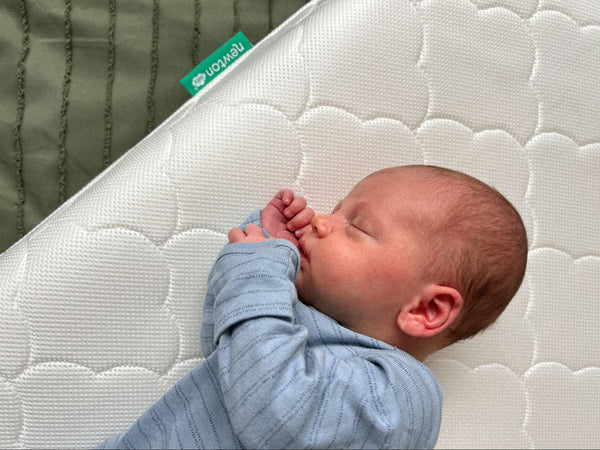
A strong routine matters most when your baby wakes every hour, but the right sleep products can make daily life much easier. These tools do not “fix” sleep on their own, but they support better naps, smoother bedtime, and more restful nights.
The goal is not buying more things. The goal is choosing products that solve real sleep problems.
At TheBabyFinds, we always recommend simple products that help parents build better sleep habits naturally.
White Noise Machine
White noise helps block sudden sounds that interrupt sleep.
This is especially useful if:
- older siblings are active
- outside traffic causes noise
- baby wakes easily between sleep cycles
- naps happen while the house is busy
Consistent sound becomes a strong sleep cue. Many babies begin calming down as soon as they hear it.
This can be very helpful for baby waking every hour overnight, especially during light sleep transitions.
Sleep Sack
A good sleep sack helps babies feel secure and warm without loose blankets.
Benefits include:
- safer sleep habits
- smoother bedtime routine
- fewer wake-ups from feeling cold
- better comfort during rolling stages
For babies who are moving more at night, a wearable blanket is often much safer than regular blankets.
If bedtime feels inconsistent, the sleep sack itself can become part of the sleep signal.
You can also explore our guide on Best Sleep Sacks for Babies for trusted parent-friendly options.
Blackout Curtains
Light affects sleep more than many parents realize.
Early sunlight often causes early morning waking. Bright nap spaces can also lead to short daytime sleep.
Blackout curtains help with:
- longer naps
- fewer early morning wake-ups
- easier bedtime during longer daylight months
This is a simple upgrade that often helps quickly.
Crib Mattress Comfort
A safe and comfortable crib setup matters.
Look for:
- firm mattress
- fitted sheets
- breathable sleepwear
- dry overnight diapers
Sometimes babies wake often because they are simply uncomfortable.
Comfort should always support safe sleep, never replace it.
Night Feeding Essentials
If your baby still needs night feeds, simple feeding support helps reduce stress.
Useful basics:
- dim night light
- comfortable feeding chair
- easy-access burp cloths
- organized bottle setup if formula feeding
The goal is calm, quiet overnight feeding without fully waking the baby.
A smoother feeding routine often improves the full baby waking every hour pattern.
At TheBabyFinds, we believe parents need practical support, not endless shopping lists. Choose what truly helps your family and skip the rest.
Final Thoughts on Baby Wakes Every Hour
If your baby wakes every hour, it does not always mean something is wrong. Frequent waking is often linked to age, feeding, wake windows, sleep habits, or short-term changes like teething and regressions.
The most helpful step is finding the real cause first.
Sometimes the answer is earlier bedtime. Sometimes it is better daytime feeding. Sometimes it is simply giving your baby time to move through a developmental stage.
Better sleep usually comes from small steady changes, not one perfect solution.
At TheBabyFinds, we know how exhausting frequent night waking can feel. That is why we focus on simple, realistic guidance that works for real families.
If you are working on better sleep, we also recommend reading:
- 4 Month Sleep Schedule
- 6 Month Sleep Schedule
- Wake Windows by Age
- Sleep Regression Guide
- Best Sleep Sacks for Babies
- Baby Sleep Schedule by Age
The right schedule helps, but the right support makes the journey easier.
You are not trying to create perfect sleep overnight. You are helping your baby build better sleep, one night at a time.
FAQs About Baby Wakes Every Hour
Why does my baby wake every hour at night?
If your baby wakes every hour at night, the cause is usually not just one thing. The most common reasons include overtiredness, short naps, hunger, sleep regression, teething, and strong sleep associations like feeding or rocking to sleep.
Sometimes the issue starts during the day, not at night. Poor naps, short wake windows, or late bedtime can all lead to more waking overnight.
Before making big changes, check:
- daytime feeding
- nap timing
- bedtime routine
- sleep environment
- wake windows by age
Finding the real cause is the fastest way to improve sleep.
Is it normal for a 6 month old to wake every hour?
A 6 month old wakes every hour can happen, but it is usually a sign that something needs adjustment.
At this age, many babies are able to sleep longer stretches, so hourly waking often points to:
- overtiredness
- moving from 3 naps to 2 naps
- bedtime too late
- short naps
- teething
- feeding-to-sleep habits
- developmental changes like rolling or sitting
Some babies still need one night feed, but waking every hour is often more about routine than hunger.
A stronger 6 month sleep schedule often improves this quickly.
Why does my baby wake every hour but is not hungry?
This usually happens because of sleep associations or overtiredness.
If your baby only takes a very short feeding, falls asleep immediately, or wakes again soon after feeding, hunger may not be the real reason.
Common causes include:
- feeding to sleep
- rocking to sleep
- needing contact sleep
- short naps during the day
- bedtime too late
- sleep regression
Many babies wake between sleep cycles and look for the same help they used at bedtime.
This creates repeated baby waking every hour overnight even when they are not truly hungry.
Should I feed my baby every time they wake at night?
Not always.
A newborn wakes every hour often needs feeding because of normal hunger and small stomach size. But for older babies, not every wake-up means hunger.
Signs baby may need feeding:
- takes a full feed
- settles well after feeding
- wakes at similar times each night
- daytime feeding is lower
Signs it may be comfort waking:
- very short feeding
- waking every 1 to 2 hours
- feeding mostly to fall asleep
- waking again soon after feeding
Always consider age, weight gain, and your pediatrician’s advice before reducing night feeds.
When should I worry about frequent night waking?
Frequent waking becomes more concerning when it continues for weeks without improvement or comes with other signs of discomfort.
Talk to your pediatrician if:
- your baby wakes every hour for a long time
- feeding becomes difficult
- weight gain slows down
- baby seems uncomfortable lying flat
- reflux symptoms appear
- breathing concerns happen during sleep
- sleep suddenly becomes much worse without a clear reason
Parent instinct matters too. If something feels wrong, it is always okay to ask for help.
Better sleep should support healthy growth, not ignore it.
You can read the full Baby Sleep Schedule by Age guide for a complete overview.